


High-Speed Steel Endmills / Drills / Taps: The Ultimate Selection Guide + Real-World Case Studies
In modern machining, selecting the right cutting tool is pivotal. One misstep in choosing an endmill, drill, or tap made of high-speed steel (HSS) can lead to premature tool failure, downtime, and cost overruns. This guide walks you through the process: how to choose among HSS endmills, drills, and taps across geometries, coatings, materials, and machining conditions — and supports all advice with real industrial cases.
HSS Fundamentals & Material Options
What is High-Speed Steel?
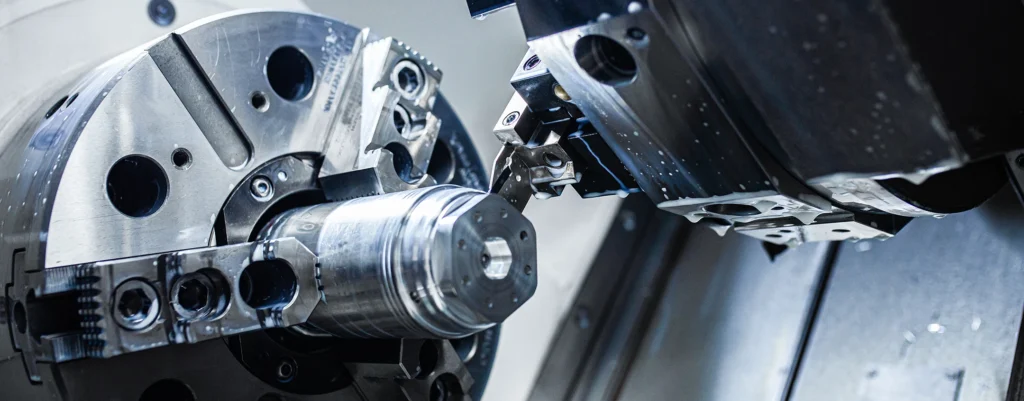
High-speed steel is a class of tool steels that maintains hardness at elevated temperatures (red hardness). It offers a balance of wear resistance, toughness, and ease of manufacturing, which keeps it relevant in many cutting tool applications.
Endmills, Drills, Taps: Key Geometrical & Design Considerations
Endmills
Number of flutes: more flutes → more cutting edges, but reduced chip space
Helix angle: influences chip flow, axial force, and vibration stability
Neck relief / reduced shank design: for reach while preserving rigidity
Corner radius, chamfer, and edge honing
Drills
Point angle/chisel edge: typical 118°, 135°, split point designs
Helix angle and flute design: affects chip evacuation
Centring/pilot features or split points
Through-coolant holes / internal cooling if applicable
Taps
Chamfer type: taper, plug, bottoming
Flute style: straight, spiral, spiral-point
Lead/entry design for easier start
Chip evacuation path, especially in blind holes
Selection Emphasis by Workpiece Material & Conditions
Material Categories & Tool Matching
Mild / carbon steels: standard HSS or M2 works well
Alloy steels / stainless steels: consider cobalt (M35 / M42) or PM-HSS
Cast iron / grey iron: benefit from tough edge plus good wear
Aluminum / nonferrous: use polished edges, lower helix, fewer flutes
Cutting Parameters & Coating Strategy
Matching cutting speed, feed, and depth to tool grade
Choosing coatings (TiN, TiAlN, AlTiN, DLC, etc.) to extend life
Trade-off: thicker coatings can reduce sharpness, harder to re-sharpen
Real-World Case Studies
Case 1: M42 TiAlN Endmill vs M2 Uncoated in Stainless Steel
A shop processed 304 stainless with a 4-flute HSS endmill. The M2 uncoated tool lasted ~20 minutes before chipping. After switching to a cobalt M42 substrate with TiAlN coating, tool life jumped to ~65 minutes, with improved surface finish and less burr formation.
Case 2: Deep Hole Drilling with HSS vs Upgraded Cooling
A manufacturer drilled 50 mm deep holes in medium carbon steel using a standard HSS twist drill. Chip packing and heat buildup caused failure within 100 holes. By switching to a through-coolant HSS drill plus internal coolant, life extended to 400 holes — a 4× gain.
Case 3: Pulling Threads in Alloy Steel with Optimized Tap Design
A client had frequent tap breakage when threading 4140 alloy steel. After changing from a standard spiral-point tap to a spiral flute tap with better chip evacuation, adjusting lead chamfer design, and selecting an M35 TiN tap, breakage rate dropped by 90%.
Decision Flowchart & Selection Checklist
Decision Flow Example (pseudo):
Start: Identify material →
Required diameter / depth →
Rigidity/machine capability →
Choose HSS grade →
Select geometry (flutes, helix, lead) →
Decide on coating/treatment →
Verify cooling/holder/run parameters
(可插一个流程图图形 / 图表)
Best Practices & Usage Tips
Minimize stick-out length / maximize rigidity
Use high-pressure coolant / through-coolant where possible
Monitor wear and establish replacement or regrinding thresholds
Edge honing and micro-chamfering help in prolonging tool life
Avoid sudden plunge/shock loads; ramp in gently
Conclusion & Call to Action
Choosing the right HSS endmill, drill, or tap is a multi-dimensional process. Matching substrate grade, coating, geometry, and machining conditions can unlock major performance gains. If you’d like custom recommendations or trials with your parts, feel free to get in touch.