

Optimizing High-Speed Steel (HSS) Cutting Tools: Performance, Challenges, and Future Trends
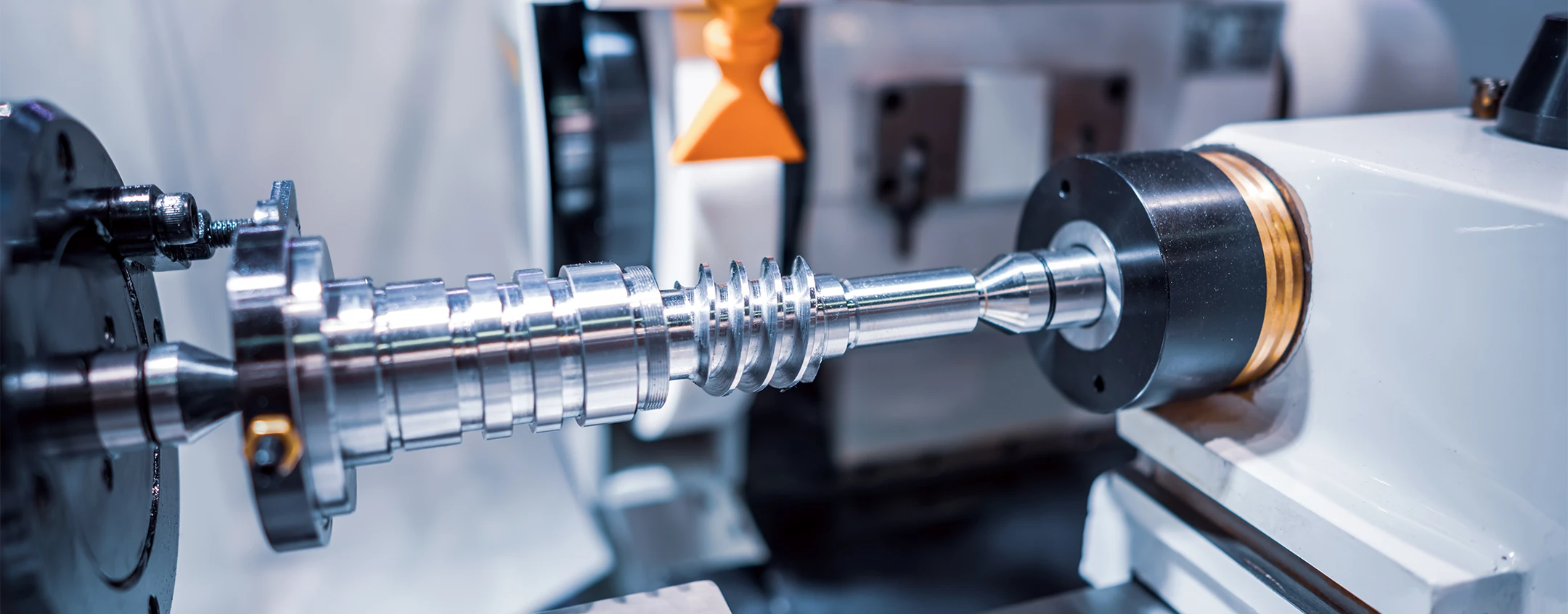
High-Speed Steel (HSS) cutting tools, including end mills, drills, and taps, have been a main part of machining operations for decades. Their versatility, cost-effectiveness, and regrindability make them a preferred choice in various industries. However, to maximize their performance and lifespan, it is essential to understand the factors affecting their design, application, and optimization.
Material Selection and Alloy Composition

The foundation of any cutting tool lies in its material. HSS alloys are composed of iron combined with elements like tungsten, molybdenum, chromium, and vanadium. These elements impart specific properties to the steel:
Tungsten and Molybdenum: Enhance red hardness, allowing the tool to maintain its hardness at elevated temperatures.
Chromium: Provides corrosion resistance and contributes to the formation of hard carbides.
Vanadium: Refines the grain structure, improving wear resistance and toughness.
Advanced HSS variants, such as cobalt-enriched HSS and powder metallurgy HSS (PM-HSS), offer superior performance due to their refined microstructures and enhanced carbide distribution.
Advanced Metallurgy and Material Innovations
Modern HSS tools benefit from advanced metal-making control and new alloying techniques. Powder metallurgy (PM) HSS refines carbides and minimizes segregation. It gives even hardness and a stable microstructure under thermal stress. Adding cobalt increases hot hardness and maintains edge stability in tough jobs. Molybdenum-based HSS grades resist softening during continuous cutting.
Recent research shows hybrid alloy systems that blend HSS with nano-carbides improve fatigue life. Fine carbides act as barriers against crack growth and wear. These alloys show higher oxidation resistance and longer edge retention.
PM-HSS is also easier to grind and coat, improving surface finish and tool balance. Industries like die-mould, automotive, and aerospace now prefer PM-HSS for stability under cyclic stress. Selecting the correct alloy ensures predictable life, even in mixed-material cutting environments.
Heat Treatment and Microstructure Control
The heat treatment process significantly affects the mechanical properties of HSS tools. The typical heat treatment cycle involves:
Austenitizing: Heating the steel to a high temperature to dissolve carbides.
Quenching: Rapid cooling to form martensite, imparting hardness.
Tempering: Reheating to a lower temperature to relieve stress and adjust hardness.
Austenitizing Precision: Controlled temperature prevents carbide coarsening and ensures full dissolution. Poor control causes uneven hardness and shortens tool life.
Multi-Stage Tempering: Two or three temper cycles stabilize hardness and reduce residual stress. This keeps the tool geometry stable during regrinding and cutting.
Cryogenic Treatment Benefits: Deep freezing to −196°C refines carbides and converts retained austenite. It improves toughness and increases tool life by up to 80%.
Modern HSS tools undergo cryogenic and vacuum heat treatment to achieve ideal stability. The result is higher wear resistance, less distortion, and reduced microcracking during high-load machining.
The resulting microstructure should exhibit fine, uniformly distributed carbides and minimal retained austenite. This microstructure ensures optimal wear resistance and toughness, which are crucial for tool longevity.
Carbide Distribution and Microstructure Refinement
Uniform carbide distribution increases tool strength and wear resistance. Coarse carbides often act as crack origins under cutting stress. Powder metallurgy HSS ensures fine carbide dispersion, improving both toughness and red hardness.
During heat treatment, controlled cooling locks carbides evenly in the martensitic matrix. This refined structure improves resistance to abrasive wear and deformation. Microstructure consistency directly affects surface finish and cutting accuracy.
Tool Geometry and Edge Design
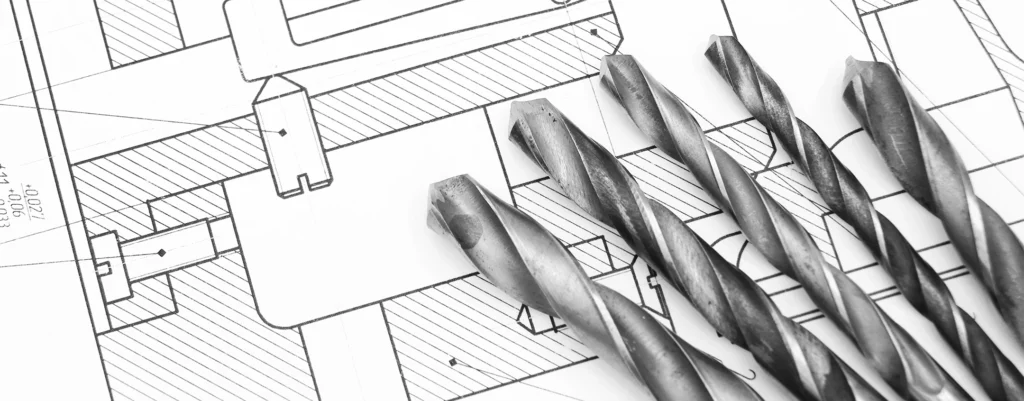
The geometry of a cutting tool influences its cutting efficiency, chip removal, and overall performance. Key geometric features include:
Rake Angle: Affects cutting forces and chip flow.
Relief Angle: Prevents rubbing and ensures clearance.
Edge Preparation: Sharp edges reduce cutting forces but may be more susceptible to wear.
Chip Evacuation Design: Flute shape defines how chips exit the cutting zone. Smooth chip evacuation prevents jamming and heat buildup.
Edge Strength Optimization: Sharp edges cut smoothly but wear faster. Micro-chamfering strengthens edges for stable performance.
Helix and Relief Balancing: Proper helix angles control cutting forces. Balanced geometry prevents vibration and surface marks.
Modern CAD-based geometry design helps engineers balance cutting pressure and tool stiffness. Simulation tools predict chip flow and optimize flute width for each material. These fine adjustments extend tool life and improve finish quality.
For drills, the point geometry, web thickness, and flute design are critical for centring, chip removal, and minimizing thrust forces. End mills benefit from features like helix angles, corner radii, and neck reliefs to enhance rigidity and reduce deflection.
Cutting Dynamics and Load Distribution
Cutting dynamics determine how forces transfer through the tool edge. Uneven load distribution accelerates wear on one side of the cutting edge. Helix angle, rake geometry, and chip load control this balance. A balanced load reduces deflection, chatter, and thermal stress. In drilling or slotting, uniform pressure ensures smooth cutting and longer tool endurance. Computer simulations now help predict tool load before manufacturing, allowing optimized geometry for every material.
Coatings and Surface Treatments
Applying coatings to HSS tools can significantly extend their lifespan by reducing friction, enhancing wear resistance, and improving thermal stability. Common coatings include:
Titanium Nitride (TiN): Increases hardness and reduces friction.
Titanium Carbonitride (TiCN): Offers improved wear resistance.
Aluminium Titanium Nitride (AlTiN): Provides high-temperature stability.
Surface treatments like nitriding can further enhance the surface hardness and fatigue resistance of HSS tools. Coating choice must align with tool alloy and application. TiN offers low friction for mild steels. TiCN suits abrasive alloys and longer production runs. AlTiN performs best under high-speed or dry cutting due to superior heat resistance.
Multi-layer coatings combine hardness with toughness. For instance, TiAlN + DLC reduces oxidation and enhances surface finish. Coating thickness affects cutting sharpness and chip flow. Over-thick coatings may cause micro-chipping or poor adhesion.
Surface polishing before coating ensures proper bonding. Poor preparation leads to peeling during load. New PVD and CVD hybrid systems apply uniform coatings with high adhesion. Selecting the right coating sequence boosts both wear resistance and productivity in HSS tools.
Surface Roughness and Finish Quality
Surface roughness on the tool directly influences the finish of the machined part. A smoother cutting surface reduces friction and temperature rise. Coated HSS tools maintain better finish quality over longer cycles.
Poor surface polish before coating can cause chip adhesion or built-up edge. Nano-coatings and polishing techniques help achieve mirror-like tool surfaces. In precision industries, improved tool surface quality translates to consistent part tolerance and lower rejection rates.
Machining Parameters and Operational Conditions
The performance and longevity of HSS cutting tools are heavily influenced by machining parameters:
Cutting Speed: Higher speeds increase heat generation; thus, it’s crucial to find an optimal balance.
Feed Rate: Affects chip load and cutting forces.
Depth of Cut: Influences tool engagement and heat dissipation.
Cutting Speed Optimisation: Keep speed within the recommended range. Exceeding limits raises the temperature and accelerates wear.
Feed and Depth Coordination: Balance feed rate with depth of cut. High feed with deep cut strains edges.
Adaptive Cooling Strategy: Use through-tool coolant for deep holes. Proper flow reduces thermal stress and improves chip control.
For HSS tools, coolant control is vital. Interrupted flow causes thermal shock and micro-cracking. Consistent lubrication maintains smooth cutting and surface finish. Monitoring spindle load and tool vibration helps detect overload early. Adjusting feed and speed dynamically improves both tool life and energy efficiency.
Maintaining proper coolant application and ensuring effective chip removal are vital to prevent tool wear and overheating.
Tool Holding and Machine Setup
Stable tool holding is essential to minimize vibrations and ensure precise cutting. Using high-quality tool holders with minimal runout, maintaining clean taper connections, and applying the correct tightening torque are practices that contribute to tool longevity.
Tool Balancing and Vibration Control
Vibration is one of the main causes of poor surface finish and tool failure. Proper balancing of tool and holder reduces chatter during high-speed operations. Dynamic balancing ensures smooth rotation, especially for long or large-diameter tools.
Using anti-vibration toolholders and short overhangs stabilizes performance. Excess vibration leads to edge chipping and uneven flank wear. Monitoring vibration levels helps prevent early tool damage and improves machining consistency.
Wear Mechanisms and Failure Modes
Understanding the common wear mechanisms can aid in designing more durable tools:
Flank Wear: Gradual loss of material on the tool’s flank due to rubbing.
Crater Wear: Erosion of the rake face caused by chip flow.
Chipping: Physical damage to the cutting edge due to impact or thermal shock.
Regular monitoring of tool wear and timely replacement or regrinding can prevent catastrophic failures.
Application-Specific Considerations
Different materials and machining operations pose unique challenges:
Aluminium: Prone to built-up edge formation; requires proper lubrication and high cutting speeds.
Stainless Steel: Tends to work-harden; necessitates stable cutting conditions and appropriate tool coatings.
Titanium Alloys: High cutting temperatures; tools should have high thermal stability and wear resistance.
Selecting the appropriate HSS grade and tool design tailored to the specific material and operation is crucial for optimal performance.
Maintenance and Regrinding Practices
Regular maintenance and regrinding of HSS tools can extend their service life:
Inspection: Regularly check for signs of wear or damage.
Regrinding: Restore the tool’s geometry and sharpness.
Coating Reapplication: Renew coatings to maintain performance.
Implementing a tool management system can help track tool usage and schedule maintenance activities effectively.
Tool Monitoring and Predictive Maintenance
Predictive maintenance uses real-time data to track tool wear and load. Smart sensors measure temperature, torque, and vibration during machining. These signals help detect early wear or edge damage. Operators can replace or regrind tools before failure, reducing downtime.
Tool management systems record tool history and predict lifespan using usage cycles. Integrated software in CNC systems now tracks tool wear automatically. Using this data, shops can optimize tool inventory and reduce unexpected tool breakage.
HSS tools benefit most when regrinding intervals are planned using data trends. Predictive analytics ensures consistent tool performance and better cost control.
Sustainability in Tool Manufacturing
Sustainability now drives the future of HSS tool production. Recyclable HSS materials lower waste and energy use. Powder metallurgy minimizes scrap by producing near-net-shape blanks. Regrinding and recoating extend tool life and reduce landfill waste.
Water-based coolants and low-emission coatings support eco-friendly machining. Manufacturers now adopt closed-loop systems to recover metal from used tools. Sustainable practices not only protect the environment but also reduce total production cost and improve brand reputation.
Future Trends and Innovations
Advancements in materials science and manufacturing technologies continue to evolve HSS cutting tools:
Nanostructured Coatings: Offer enhanced wear resistance and reduced friction.
Additive Manufacturing: Enables the production of complex tool geometries.
Smart Tools: Incorporate sensors to monitor tool condition in real-time.
Staying abreast of these developments can provide a competitive edge in tool performance and longevity.
Comparative Study: HSS vs Carbide vs Cermet Tools
Carbide and cement tools often dominate high-speed production, but HSS still holds value. HSS tools are more flexible, less brittle, and cheaper to regrind. Carbide tools work best for continuous automated jobs, while HSS excels in manual or small-batch machining. Cermets offer high wear resistance but lack toughness for interrupted cuts.
In many industries, HSS tools provide the best balance between cost, versatility, and regrindability. With advanced coatings and cryogenic treatment, HSS performance now approaches mid-grade carbide levels. This makes them ideal for cost-sensitive but quality-focused production.
Conclusion
High-performance HSS cutting tools are the result of meticulous design, material selection, and operational practices. By understanding and optimizing the factors influencing their performance, manufacturers can achieve enhanced tool life, improved part quality, and reduced operational costs. Investing in quality tools and adhering to best practices in machining operations are key to unlocking the full potential of HSS cutting tools.