

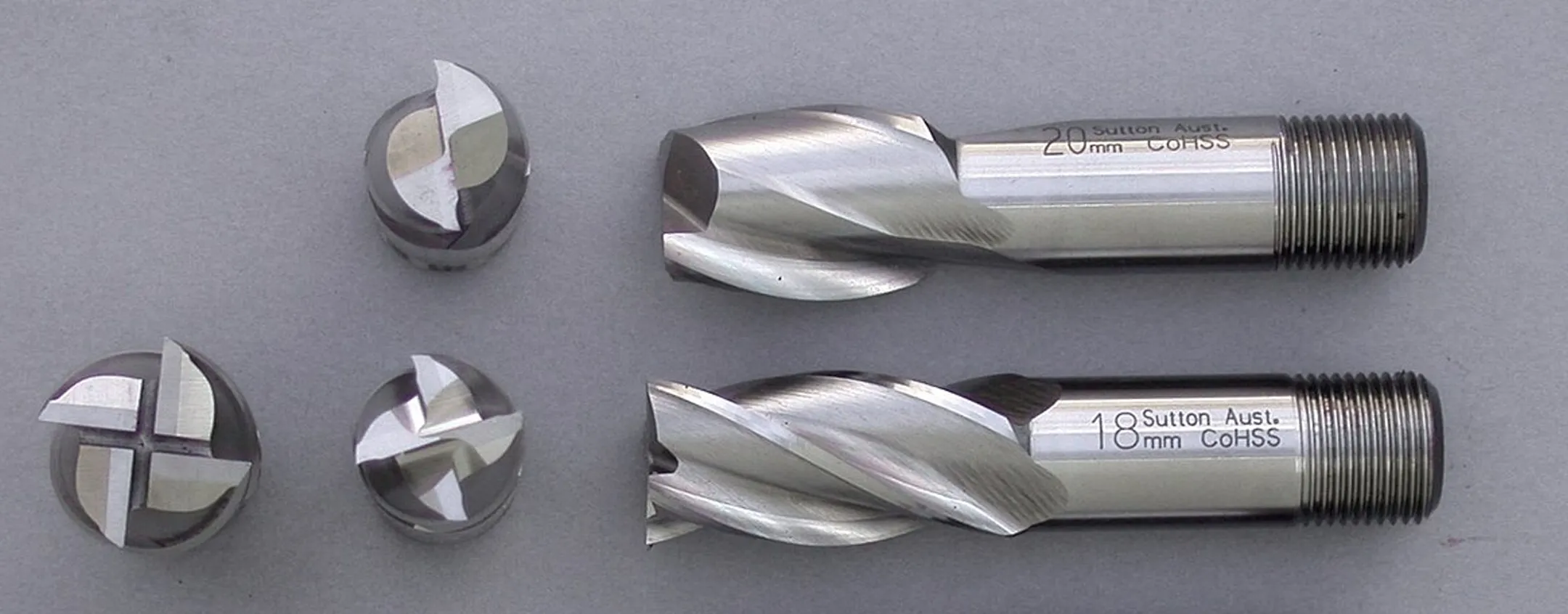
High-Performance HSS Cutting Tools: Design, Application, and Performance Optimization
High-Speed Steel (HSS) cutting tools, including end mills, drills, and taps, have been integral to machining operations for decades. Their versatility, cost-effectiveness, and regrindability make them a preferred choice in various industries. However, to maximize their performance and lifespan, it is essential to understand the factors influencing their design, application, and optimization.
Material Selection and Alloy Composition
The foundation of any cutting tool lies in its material. HSS alloys are composed of iron combined with elements like tungsten, molybdenum, chromium, and vanadium. These elements impart specific properties to the steel:
Tungsten and Molybdenum: Enhance red hardness, allowing the tool to maintain its hardness at elevated temperatures.
Chromium: Provides corrosion resistance and contributes to the formation of hard carbides.
Vanadium: Refines the grain structure, improving wear resistance and strength.
Advanced HSS variants, such as cobalt-enriched HSS and powder metallurgy HSS (PM-HSS), offer superior performance due to their refined microstructures and enhanced carbide distribution.
Heat Treatment and Microstructure Control
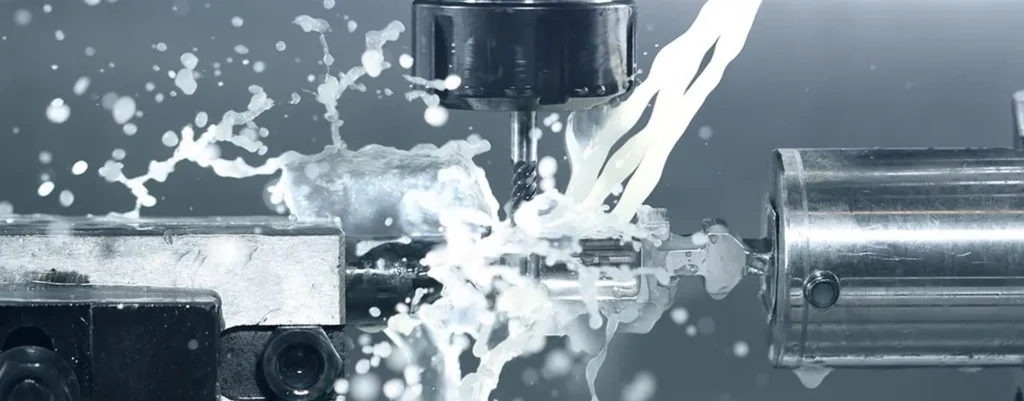
The heat treatment process significantly affects the mechanical properties of HSS tools. The typical heat treatment cycle involves:
Austenitizing: Heating the steel to a high temperature to dissolve carbides.
Quenching: Rapid cooling to form martensite, imparting hardness.
Tempering: Reheating to a lower temperature to relieve stress and adjust hardness.
The resulting microstructure should exhibit fine, uniformly distributed carbides and minimal retained austenite. This microstructure ensures optimal wear resistance and Strength, which are crucial for tool longevity.
Carbide Distribution and Retained Austenite Control
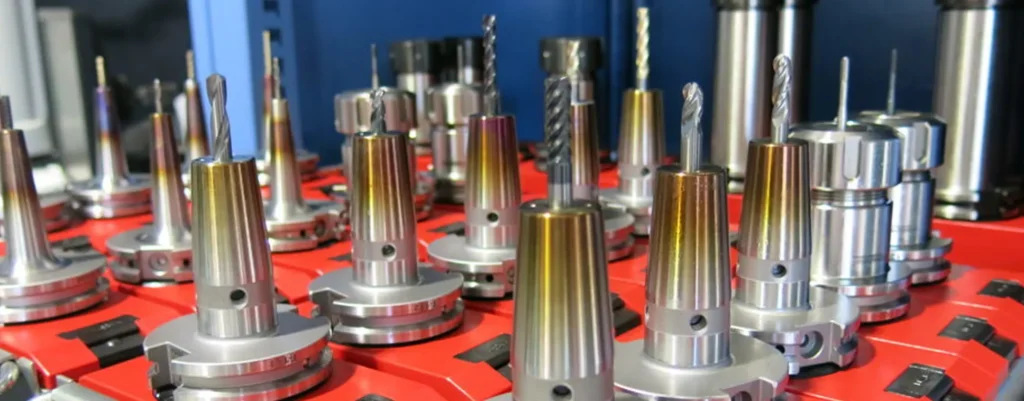
The life of an HSS tool depends heavily on carbide uniformity. Uneven carbides cause micro-cracks and reduce edge strength. Fine and evenly distributed carbides improve wear resistance and cutting stability.
Powder Metallurgy HSS offers better carbide control than conventional steel. It prevents carbide grouping and creates a dense, consistent structure. Controlled cooling rates during quenching are also vital. Fast or uneven cooling can trap retained austenite, lowering hardness and causing dimensional changes.
Tempering cycles must be optimized to stabilize carbides and convert retained austenite. Cryogenic treatment further enhances structure by transforming austenite into martensite and refining carbides. This results in improved wear life, better hardness, and lower stress in the microstructure.
An HSS tool with refined carbide distribution delivers higher red hardness, smoother cutting, and greater resistance to chipping.
Advanced Testing and Quality Assurance for HSS Tools
Every high-performance HSS cutting tool must undergo strict quality checks before use. Dimensional accuracy, hardness uniformity, and coating adhesion are verified through inspection systems. Optical microscopy and scanning electron microscopy (SEM) reveal carbide dispersion and coating integrity.
Hardness testing ensures proper heat treatment and microstructure stability. For coated tools, adhesion is tested with scratch or indentation methods. Performance tests, like controlled cutting trials, assess wear rate and tool durability.
Consistency between production batches ensures reliable tool behaviour in different machining environments. Manufacturers now integrate statistical process control (SPC) to maintain quality standards.
Comprehensive testing prevents premature failure and ensures predictable tool life during production runs.
Tool Geometry and Edge Design
The geometry of a cutting tool influences its cutting efficiency, chip removal, and overall performance. Key geometric features include:
Rake Angle: Affects cutting forces and chip flow.
Relief Angle: Prevents rubbing and ensures clearance.
Edge Preparation: Sharp edges reduce cutting forces but may be more susceptible to wear.
For drills, the point geometry, web thickness, and flute design are critical for centring, chip removal, and minimizing thrust forces. End mills benefit from features like helix angles, corner radii, and neck reliefs to enhance rigidity and reduce deflection.
Detailed Geometry Factors for Different Tools
a. Drill Geometry Optimization
Drill geometry impacts centring, chip flow, and tool deflection. Split-point and 135° tips reduce thrust and improve entry. Flute polish helps chip evacuation and lowers friction.
b. Endmill Geometry Factors
Helix angle affects chip removal and vibration control. A 35°–45° helix is best for steel, while a variable helix reduces chatter. Corner radii protect edges from chipping.
c. Tap Geometry and Lead Design
Taps need a proper flute type for each material. Spiral flutes pull chips out, while spiral-point taps push chips forward. Proper chamfer length reduces torque and improves thread accuracy.
Chip Formation and Evacuation Dynamics
Chip formation plays a crucial role in cutting efficiency and tool wear. HSS drills, endmills, and taps rely on smooth chip evacuation for continuous cutting.
Improper chip flow raises friction, generates heat, and accelerates tool degradation. Flute design and surface polish directly influence chip control and evacuation speed. For deep-hole drilling, chip breakers or step drills minimize clogging and reduce tool load.
Chip shape also indicates cutting condition: short, uniform chips mean balanced cutting; long, curled chips signal excessive feed or speed. Coatings with low friction coefficients, like TiN or DLC, reduce chip adhesion.
In tapping, chip jamming can cause tool breakage. Spiral flutes help pull chips out of blind holes. Proper coolant flow further assists chip evacuation and prevents built-up edge formation.
Understanding chip behaviour allows operators to fine-tune geometry, feed rate, and lubrication for stable cutting.
Coatings and Surface Treatments
Applying coatings to HSS tools can significantly extend their lifespan by reducing friction, enhancing wear resistance, and improving thermal stability. Common coatings include:
Titanium Nitride (TiN): Increases hardness and reduces friction.
Titanium Carbonitride (TiCN): Offers improved wear resistance.
Aluminium Titanium Nitride (AlTiN): Provides high-temperature stability.
Surface treatments like nitriding can further enhance the surface hardness and fatigue resistance of HSS tools.
Coating Thickness and Adhesion Quality
The coating’s adhesion and thickness are vital for tool reliability. Poor adhesion leads to flaking and fast wear. Surface roughness before coating also affects performance—polished surfaces improve bonding strength.
Coating thickness should stay between 2–5 microns for HSS tools. Thin coatings wear fast; thick ones may crack under stress. TiAlN coatings perform well under high heat, while TiCN works best for lower-speed cutting.
Before coating, tools must be cleaned, micro-blasted, and inspected for burrs. Even minor surface flaws can reduce coating grip. Advanced PVD and CVD methods improve coating uniformity and strength.
When the right coating is paired with a stable HSS substrate, tool life and temperature resistance increase substantially.
Machining Parameters and Operational Conditions
The performance and longevity of HSS cutting tools are heavily influenced by machining parameters:
Cutting Speed: Higher speeds increase heat generation; thus, it’s crucial to find an optimal balance.
Feed Rate: Affects chip load and cutting forces.
Depth of Cut: Influences tool engagement and heat dissipation.
Maintaining proper coolant application and ensuring effective chip removal are vital to prevent tool wear and overheating.
Optimizing Cutting Parameters for Longer Life
a. Cutting Speed Optimization
Excessive speed causes heat buildup and edge softening. Stay within the HSS speed range (60–100 m/min for steel). Adjust based on material hardness.
b. Feed Rate Adjustment
Too high a feed increases chip load and wear. Too low causes rubbing. Maintain a balanced feed to keep chips thin and continuous.
c. Coolant and Lubrication Management
Use water-soluble or synthetic coolants for temperature control. Apply through-tool coolant for deep drilling to avoid heat damage.
Cutting Fluid Selection and Delivery Techniques
Effective cutting fluid use is vital for extending tool life and maintaining surface quality.
For HSS tools, the cooling and lubrication properties of the fluid must be balanced.
Water-based coolants dissipate heat quickly, while oil-based fluids offer better lubrication.
High-pressure coolant delivery improves chip evacuation and lowers tool temperature.
For drilling or tapping, through-tool coolant channels are ideal for consistent flow.
Mist or minimum quantity lubrication (MQL) systems also perform well in dry or semi-dry machining environments.
Selecting the right coolant based on work material and operation type can reduce tool wear by up to 30%.
Proper filtration and coolant maintenance are equally important to prevent contamination and tool corrosion.
Tool Holding and Machine Setup
Stable tool holding is essential to minimize vibrations and ensure precise cutting. Using high-quality tool holders with minimal runout, maintaining clean taper connections, and applying the correct tightening torque are practices that contribute to tool longevity.
Toolholder Accuracy and Vibration Reduction
Precision toolholding is critical for extending tool life. Even minor runout increases wear on one side of the edge. This leads to uneven loading and early failure.
Use high-precision collets or hydraulic chucks for HSS tools. Always clean the spindle taper and remove dirt or oil. Torque settings must be correct to prevent slippage or distortion.
Shorter tool overhang improves rigidity and reduces vibration. When machining hard materials, minimize unsupported length. Use dampened holders if chatter occurs.
A rigid setup ensures accurate cutting and reduces deflection, improving surface finish and dimensional control.
Wear Mechanisms and Failure Modes
Understanding the common wear mechanisms can aid in designing more durable tools:
Flank Wear: Gradual loss of material on the tool’s flank due to rubbing.
Crater Wear: Erosion of the rake face caused by chip flow.
Chipping: Physical damage to the cutting edge due to impact or thermal shock.
Regular monitoring of tool wear and timely replacement or regrinding can prevent catastrophic failures.
Wear Monitoring and Predictive Maintenance
Modern machining now includes tool monitoring for preventive maintenance. Sensors track cutting load, vibration, and temperature. Real-time data helps identify wear before failure.
Flank wear is best monitored by optical or digital inspection. Regular wear mapping identifies trends and helps set regrinding intervals. AI-based monitoring systems predict remaining tool life, preventing costly downtime.
Predictive systems also optimize cutting parameters automatically. They reduce unnecessary tool replacement and improve consistency.
For small workshops, simple visual inspection and scheduled regrinding remain effective. Proper record-keeping ensures tools are restored at the right time.
Application-Specific Considerations
Different materials and machining operations pose unique challenges:
Aluminium: Prone to built-up edge formation; requires proper lubrication and high cutting speeds.
Stainless Steel: Tends to work-harden; necessitates stable cutting conditions and appropriate tool coatings.
Titanium Alloys: High cutting temperatures; tools should have high thermal stability and wear resistance.
Selecting the appropriate HSS grade and tool design tailored to the specific material and operation is crucial for optimal performance.
Selecting the Right HSS Tool for Each Material
a. For Aluminium Alloys
Use high-helix HSS drills and polished flutes to reduce sticking. Apply coolant and TiB2 coatings to prevent built-up edges.
b. For Stainless Steel
Use cobalt-enriched HSS with TiAlN coating. Keep the feed steady and avoid low speeds to prevent work hardening.
c. For Titanium and Nickel Alloys
Choose PM-HSS with cryogenic treatment and AlTiN coating. Reduce the depth of cut and apply high-pressure coolant.
Maintenance and Regrinding Practices
Regular maintenance and regrinding of HSS tools can extend their service life:
Inspection: Regularly check for signs of wear or damage.
Regrinding: Restore the tool’s geometry and sharpness.
Coating Reapplication: Renew coatings to maintain performance.
Implementing a tool management system can help track tool usage and schedule maintenance activities effectively.
Economic Impact of Tool Regrinding
Regrinding restores cutting geometry and reduces cost per component. A well-reground HSS tool performs close to a new one if geometry and coating are preserved.
Each regrind should remove minimal material to retain original shape. Tools with wear beyond limit or excessive chipping must be replaced.
Applying a fresh coating after regrinding further extends tool life. Tracking regrind cycles ensures cost-effectiveness and consistent performance.
Future Trends and Innovations
Advancements in materials science and manufacturing technologies continue to evolve HSS cutting tools:
Nanostructured Coatings: Offer enhanced wear resistance and reduced friction.
Additive Manufacturing: Enables the production of complex tool geometries.
Smart Tools: Incorporate sensors to monitor tool condition in real-time.
Staying abreast of these developments can provide a competitive edge in tool performance and longevity.
Integration of AI and Data Analytics in Tool Design
Artificial Intelligence is reshaping how HSS tools are developed and maintained. Machine learning models analyze wear patterns and optimize tool geometry for each material.
Data-driven algorithms recommend coating types, heat treatment parameters, and cutting speeds. Smart tools with embedded sensors track temperature, torque, and vibration.
This data helps create adaptive machining strategies that prolong tool life and improve consistency. Predictive analytics will soon enable automatic tool selection and setup based on material and job type.
These advancements combine traditional metallurgy with digital precision, shaping the next era of high-performance HSS tools.
Conclusion
High-performance HSS cutting tools are the result of meticulous design, material selection, and operational practices. By understanding and optimizing the factors influencing their performance, manufacturers can achieve enhanced tool life, improved part quality, and reduced operational costs. Investing in quality tools and adhering to best practices in machining operations are key to unlocking the full potential of HSS cutting tools.